
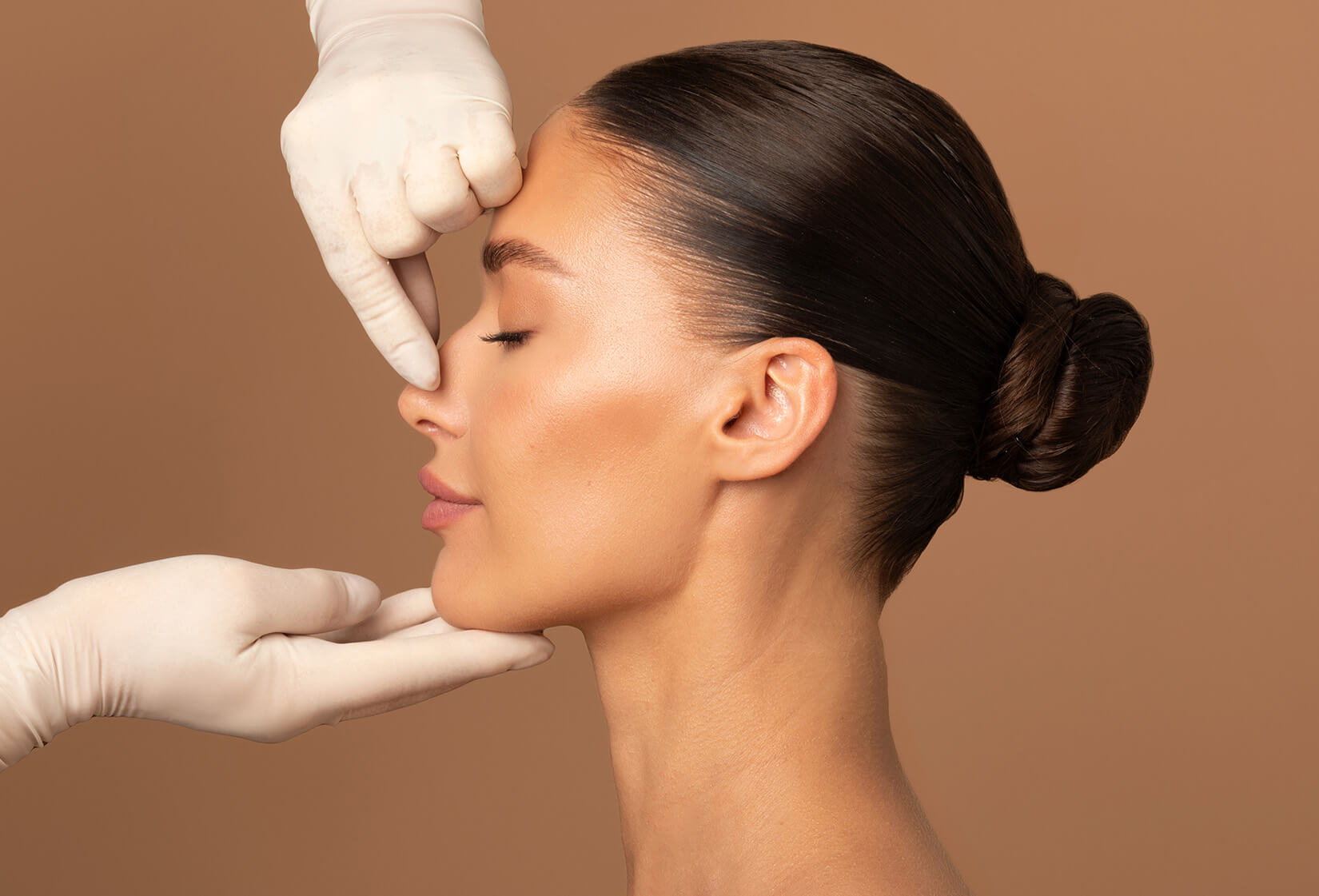
Rhinoplasty is one of the most technically demanding procedures in plastic surgery. While many patients achieve excellent results after their initial surgery, some individuals may feel dissatisfied with their outcome or experience functional issues that require further correction. When this happens, revision rhinoplasty surgery, also called secondary rhinoplasty, may be recommended.
Revision rhinoplasty is a highly specialized procedure designed to improve the appearance, structure, or function of the nose after a previous rhinoplasty. Because the anatomy has already been surgically altered, this procedure requires exceptional precision, advanced surgical skill, and a deep understanding of nasal structure.
What Is Revision Rhinoplasty?
Revision rhinoplasty is a corrective nose surgery performed after a prior rhinoplasty. It may address cosmetic concerns, breathing difficulties, structural instability, or a combination of these issues.
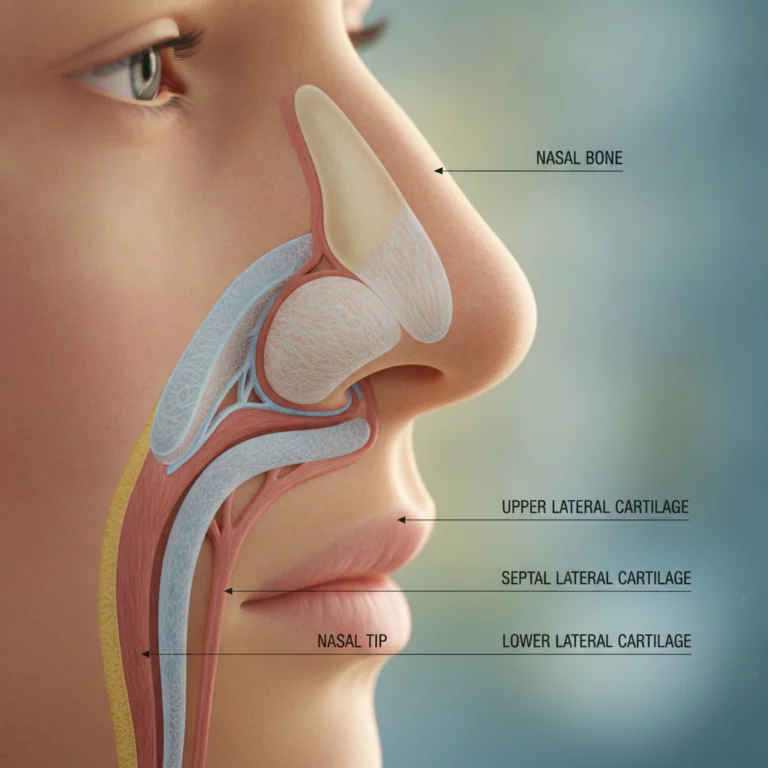
Unlike primary rhinoplasty, which reshapes untouched nasal structures, revision rhinoplasty works with tissue that may already have scar formation, altered cartilage support, or weakened bone structure. For this reason, it is considered more complex and technically challenging than a first-time nose surgery.
Why Do Patients Seek Revision Rhinoplasty?
Patients pursue revision rhinoplasty for a variety of reasons, which generally fall into two categories: aesthetic concerns and functional concerns.
Aesthetic Concerns
Some patients feel their nose looks:
- Overly reduced or “pinched”
- Crooked or asymmetrical
- Overly rotated or drooping
- Too large or too small
- Artificial or unnatural
- Unbalanced with the rest of the face
In some cases, subtle irregularities become more noticeable as swelling subsides months after surgery.
Functional Concerns
Other patients’ experience:
- Difficulty breathing
- Nasal valve collapse
- Persistent congestion
- Structural weakness
- Septal complications
Because rhinoplasty affects both appearance and airflow, revision surgery often focuses on restoring both cosmetic harmony and proper nasal function.
When Can Revision Rhinoplasty Be Performed?
Patience is essential. Most surgeons recommend waiting at least 12 months after primary rhinoplasty before pursuing revision surgery. This allows swelling to fully resolve and tissues to stabilize.
Operating too soon can increase the risk of complications and unpredictable outcomes. During consultation, your surgeon will determine whether enough healing has occurred to proceed safely.
What Makes Revision Rhinoplasty More Complex?
Revision rhinoplasty is significantly more challenging than primary rhinoplasty for several reasons:
Scar Tissue
Scar tissue forms after any surgery. In the nose, scar tissue can make dissection more delicate and less predictable.
Altered Anatomy
Cartilage and bone may have been removed, reshaped, or weakened during the first surgery. This means there may be limited structural support remaining.
Reduced Cartilage Supply
If too much septal cartilage was removed in the initial procedure, the surgeon may need to harvest cartilage from another source, such as the ear or rib, to rebuild the nose.
Skin Quality Changes
Skin may be thinner, thicker, or less elastic than before, which affects how it drapes over the reshaped structure.
Reduction in Blood Supply
If you’ve had previous rhinoplasty surgery, the blood supply to the nose, and especially to the nasal tip, has been altered. This means that the risk of wound healing problems or slow healing are higher and need to be taken into account by your surgeon prior to re-operation.
Because of these factors, revision rhinoplasty requires an advanced understanding of structural grafting and nasal reconstruction.
What Does Revision Rhinoplasty Surgery Involve?
Each revision procedure is highly customized. However, common elements may include:
Structural Reinforcement
Cartilage grafts are often used to rebuild support. These grafts may:
- Strengthen the nasal bridge
- Correct collapse
- Refine the nasal tip
- Improve breathing function
Straightening The Nose
If the nose appears crooked, the surgeon may need to reposition the nasal bones and cartilage while maintaining airway stability.
Refining The Tip
Tip deformities, such as pinching, drooping, or asymmetry, are common reasons for revision surgery. Careful reshaping and grafting restore proportion.
Correcting Over-Resection
If too much tissue was removed during the original surgery, the surgeon may rebuild volume to prevent a hollow or collapsed appearance.
The ultimate goal is to restore both aesthetic balance and structural integrity.
Open vs. Closed Revision Rhinoplasty
Most revision rhinoplasty procedures are performed using an open approach, where a small incision is made across the columella (the strip of skin between the nostrils). This provides better visibility and precision for complex corrections.
In select cases, a closed technique (incisions inside the nostrils only) may be appropriate, but open revision is more common due to the need for detailed structural work.
What Is Recovery Like After Revision Rhinoplasty?
Recovery after revision rhinoplasty is similar to primary rhinoplasty but may involve slightly longer swelling due to prior surgical changes.
First Week
- Splint remains in place
- Swelling and bruising are present
- Mild discomfort is managed with medication
Weeks Two To Four
- Bruising fades
- Most patients return to work
- Swelling begins to decrease
Months Three To Twelve
- Gradual refinement
- Final shape becomes visible
- Tip swelling resolves slowly
Patience is critical. Revision rhinoplasty results develop gradually as tissues heal and settle.
How Successful Is Revision Rhinoplasty?
When performed by a surgeon experienced in secondary rhinoplasty, success rates are high. However, expectations must be realistic. Because revision cases are more complex, perfection may not be achievable, but significant improvement usually is.
Choosing a surgeon who specializes in advanced rhinoplasty techniques, including structural grafting and functional correction, is the single most important factor in achieving a successful outcome.
Are You A Candidate For Revision Rhinoplasty?
You may be a candidate if:
- You are unhappy with the appearance of your nose after prior surgery
- You experience breathing problems following rhinoplasty
- Your nose appears asymmetrical or collapsed
- At least 12 months have passed since your initial surgery
- You are in good overall health
A detailed consultation allows the surgeon to assess scar tissue, structural integrity, skin thickness, and your goals before developing a treatment plan.
Why Surgeon Selection Matters
Revision rhinoplasty is considered one of the most technically demanding procedures in facial plastic surgery. It requires not only aesthetic judgment, but also reconstructive skill.
A qualified revision rhinoplasty surgeon will:
- Be board-certified
- Have extensive experience in secondary cases
- Demonstrate advanced structural techniques
- Provide realistic expectations
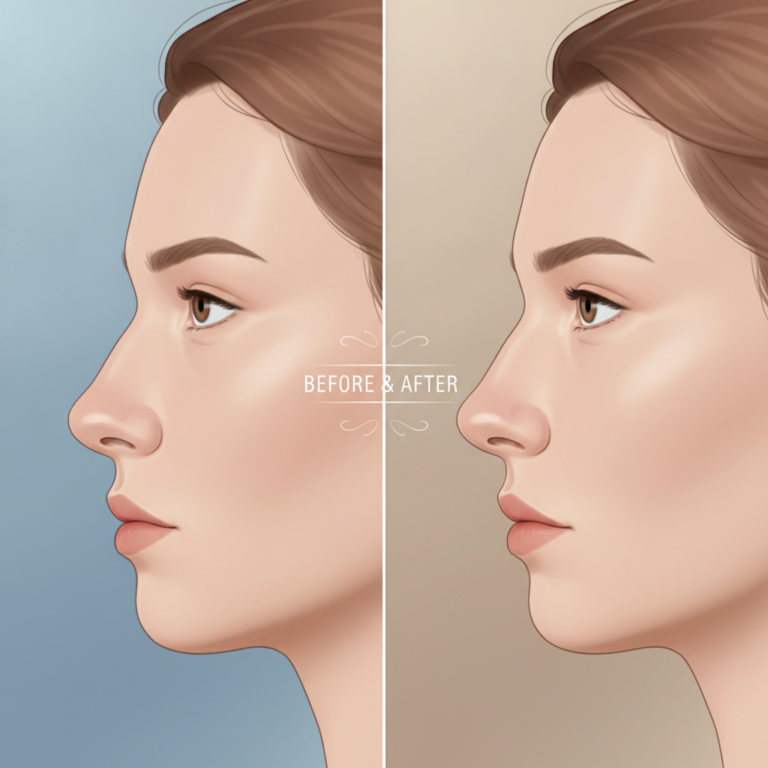
- Show comprehensive before-and-after results
Because the procedure often involves rebuilding rather than simply reshaping, expertise is critical.
Considering Revision Rhinoplasty? Here’s Your Next Step
Revision rhinoplasty surgery is a highly specialized corrective procedure designed to address cosmetic and functional concerns after an initial nose surgery. While more complex than primary rhinoplasty, it offers patients a second opportunity to restore balance, breathing function, and confidence.
With proper timing, realistic expectations, and a skilled surgeon experienced in advanced nasal reconstruction, revision rhinoplasty can significantly improve both the appearance and function of the nose.
If you are considering secondary rhinoplasty, consultation with an experienced facial plastic surgeon is the most important first step in determining whether revision surgery is right for you.