
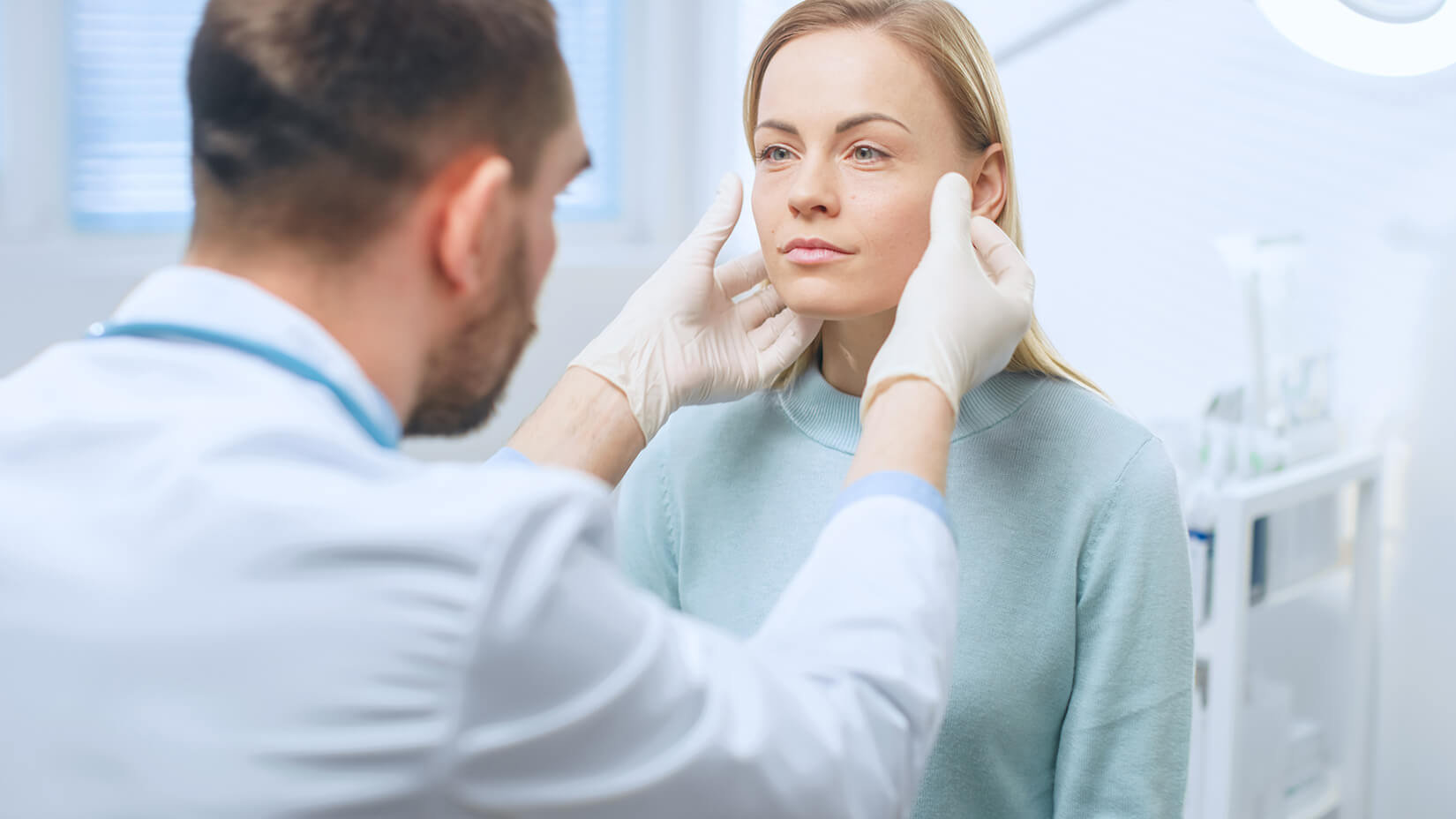
Swelling is one of the most common and most expected parts of facelift recovery. While it is temporary, patients often want to know how to manage it effectively and how long it may last. Understanding what causes swelling, what is normal, and what steps help minimize it can make recovery smoother, more comfortable, and more predictable.
Whether you’ve chosen a traditional facelift surgery, deep plane facelift, or mini facelift, proper postoperative care plays a major role in reducing swelling and helping your results emerge sooner. Below is a detailed guide to understanding and managing swelling in the safest and most effective way possible.
Why Swelling Happens After Facelift Surgery
Swelling (or edema) is the body’s natural response to surgical trauma. During a facelift, the tissues of the face are lifted, repositioned, and sculpted, steps that naturally trigger the inflammatory process.
In the first several days after surgery, tiny blood vessels leak fluid into the surrounding tissues. This leads to puffiness around the cheeks, jawline, and sometimes under the eyes. Although swelling can feel uncomfortable or tight, it is a healthy sign that the body is healing.
Deep plane facelifts may produce slightly different swelling patterns because the deeper tissues are involved, but most patients experience similar timelines regardless of technique.
How Long Does Swelling Last After a Facelift?
Most swelling peaks between 48–72 hours after surgery. It then begins a gradual decline over the next two to three weeks. Many patients feel socially presentable at the two-week mark, though residual swelling can persist for several months.
A general timeline:
- Days 1–3: Peak swelling
- Days 4–7: Noticeable improvement
- Weeks 2–3: Weak swelling visible only to you
- Months 2–3: Most swelling resolved
- Months 4–6: Final refinement
The goal is not to eliminate swelling entirely, which is impossible, but to minimize it so healing is more comfortable, and your results appear more quickly.
How To Reduce Swelling After Facelift Surgery
Below are the most effective, surgeon-approved strategies to minimize swelling and accelerate recovery.
1. Keep Your Head Elevated
This is one of the most important steps in reducing swelling. Elevation helps prevent fluid accumulation in the face and improves circulation.
Here are some tips to help reduce swelling:
- Sleep with your head elevated at a 30–45 degree angle.
- Use extra pillows or a wedge pillow to maintain the position.
- Avoid bending over or lowering your head below heart level.
Patients who remain elevated consistently during the first week often notice significantly less swelling.
2. Apply Cold Compresses (When Approved)
Cold therapy helps constrict blood vessels and slow fluid buildup. However, it must be used carefully and only if approved by your surgeon.
General guidelines:
- Use soft, flexible cold packs or crushed ice wrapped in cloth.
- Apply for 10–15 minutes at a time during the first 48 hours.
- Never place ice directly on the skin or incisions.
Dr. Shah may provide personalized recommendations based on your surgical technique and healing response.
3. Wear Your Compression Garment as Directed
For patients who undergo facelift and neck lift combinations, a supportive postoperative garment helps reduce swelling by applying gentle, even pressure.
This helps:
- Reduce fluid accumulation
- Support newly repositioned tissues
- Improve early contouring of the jawline and neck
Do not adjust or over-tighten the garment unless instructed. Improper use can increase swelling rather than reduce it.
4. Follow All Medication Instructions
Your surgeon may prescribe medications to reduce inflammation, manage discomfort, and prevent infection, all of which influence swelling.
Avoid medications that thin the blood unless directed otherwise. Common culprits include aspirin, ibuprofen, naproxen, and certain supplements such as fish oil or vitamin E. These can increase bruising and swelling during early recovery.
Always follow the medication plan your surgeon provides.
5. Stay Hydrated and Limit Sodium
Hydration supports circulation and helps your body move excess fluid out of the tissues. Meanwhile, sodium causes the body to retain water, which increases swelling.
For best results:
- Drink plenty of water throughout the day.
- Avoid high-sodium foods including soups, deli meats, salted snacks, and processed meals.
- Focus on whole foods: leafy greens, fruits, vegetables, and lean proteins.
A low-sodium diet in the first week can dramatically reduce facial puffiness.
6. Walk Daily to Promote Circulation
Light walking is highly encouraged beginning the day after surgery. Movement improves lymphatic flow and helps the body eliminate fluid more efficiently.
Do NOT:
- Exercise vigorously
- Raise your heart rate significantly
- Perform heavy lifting
These activities increase blood pressure and can worsen swelling or bruising. Light activity only, no sweating workouts, for at least two weeks or until cleared by your surgeon.
7. Avoid Heat and Hot Environments
Heat increases blood flow to the skin, which can worsen swelling and prolong healing. Patients should avoid:
- Hot tubs
- Saunas
- Long hot showers
- Direct sun exposure
- Intense physical exertion
Cooler environments are ideal during the early healing phase.
8. Do Not Smoke (Or Vape)
Nicotine restricts blood flow, impairs oxygen delivery, and slows healing, leading to increased swelling and higher risk of complications.
Patients must avoid all nicotine products before and after surgery for the duration recommended by their surgeon. This includes:
- Cigarettes
- Vaping pens
- Chew
- Nicotine gum or patches
Even light smoking can significantly affect recovery.
9. Protect Your Skin From Sun Exposure
UV exposure can worsen swelling, discoloration, and inflammation. Patients should:
- Avoid direct sunlight for several weeks
- Wear a wide-brimmed hat outdoors
- Use surgeon-approved sunscreen once incisions have healed
Sun protection is crucial not only for swelling, but also for scar maturation and long-term skin health.
10. Attend All Postoperative Appointments
Regular follow-up allows your surgeon to:
- Monitor your healing
- Identify early signs of complications
- Adjust your aftercare instructions if needed
Surgeons can also recommend professional treatments, such as lymphatic massage or LED therapy, once you are far enough along in your healing process.
These treatments can help reduce persistent swelling and improve comfort.
When Should Swelling Concern You?
Most swelling is normal, expected, and temporary. However, contact your surgeon immediately if you experience:
- Sudden, dramatic swelling on one side
- Sharp pain combined with rapid swelling
- Excessive bleeding
- Fever or signs of infection
- Difficulty breathing
These symptoms are uncommon but should always be evaluated.
Swelling Is Temporary — Your Results Are Not
Swelling after a facelift is completely normal and part of the healing process. While it cannot be prevented entirely, following your surgeon’s instructions can significantly minimize its duration and intensity. Most patients are pleasantly surprised by how quickly they begin looking refreshed and naturally rejuvenated.
For individualized guidance on reducing swelling and navigating facelift recovery, schedule a consultation with Dr. Manish H. Shah, one of Denver’s leading experts in advanced facelift techniques, including the deep plane facelift. His experience, refined surgical methods, and patient-centered care ensure that every step of your recovery is safe, comfortable, and well supported.