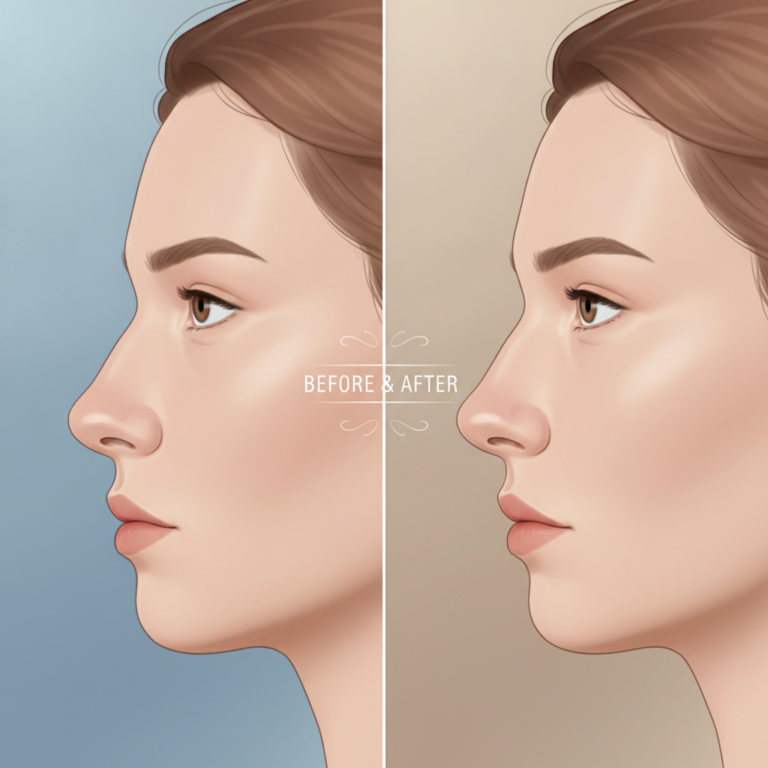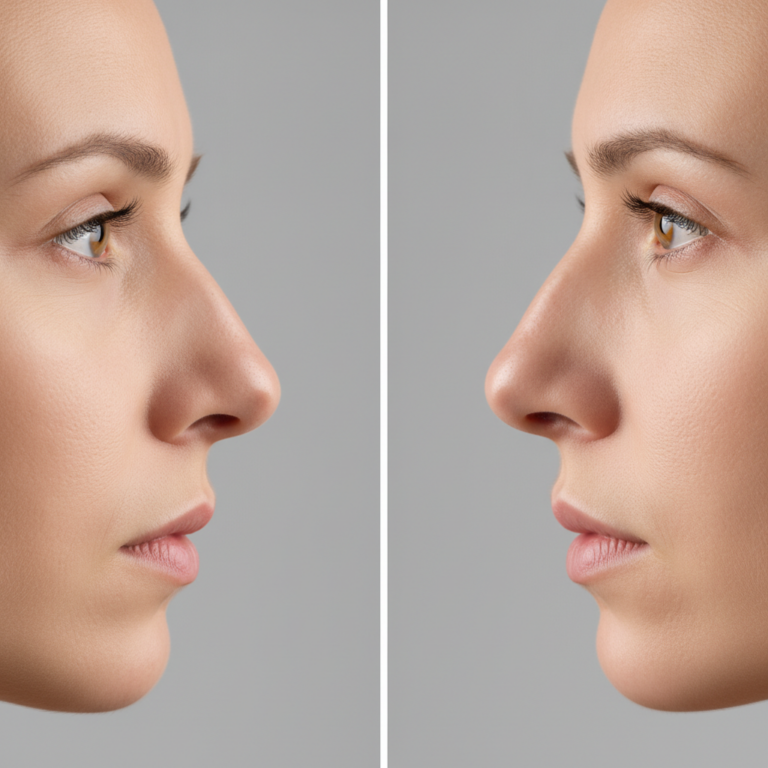

A nose job is considered permanent because the structural changes made during surgery do not simply wear off. However, your nose continues aging along with the rest of your face, and its appearance can gradually change over time.
That distinction is important when considering rhinoplasty. Unlike fillers or other temporary cosmetic treatments, rhinoplasty surgically changes the nasal bone and cartilage. There is no point in several years later when the procedure suddenly “expires” and your original nose returns.
But permanent doesn’t mean frozen in time. To understand how long a nose job lasts, patients need to separate three very different things: the surgical result, normal aging, and the lengthy process of post-operative swelling resolving.
1. The Surgical Result Is Permanent
During rhinoplasty, a surgeon may reshape bone, modify or reposition cartilage, refine the nasal tip, adjust projection, or make other structural changes based on the patient’s anatomy and goals.
Once those structures have healed into their new positions, they don’t gradually revert simply because five, 10, or 20 years have passed.
Consider a patient who undergoes rhinoplasty to reduce a prominent dorsal hump. The hump isn’t expected to slowly “grow back” as the procedure gets older. The bone and cartilage responsible for that contour have been surgically changed.
Similarly, if the nasal tip is appropriately reshaped and supported, there isn’t a predetermined number of years after which it suddenly returns to its exact preoperative shape.
That’s what surgeons mean when they describe rhinoplasty as permanent.
What they should not mean is that your nose will look identical at age 70 to the way it looked after surgery at age 30.
2. Your Nose Continues to Age
Rhinoplasty changes the nose. It doesn’t stop the biological aging process.
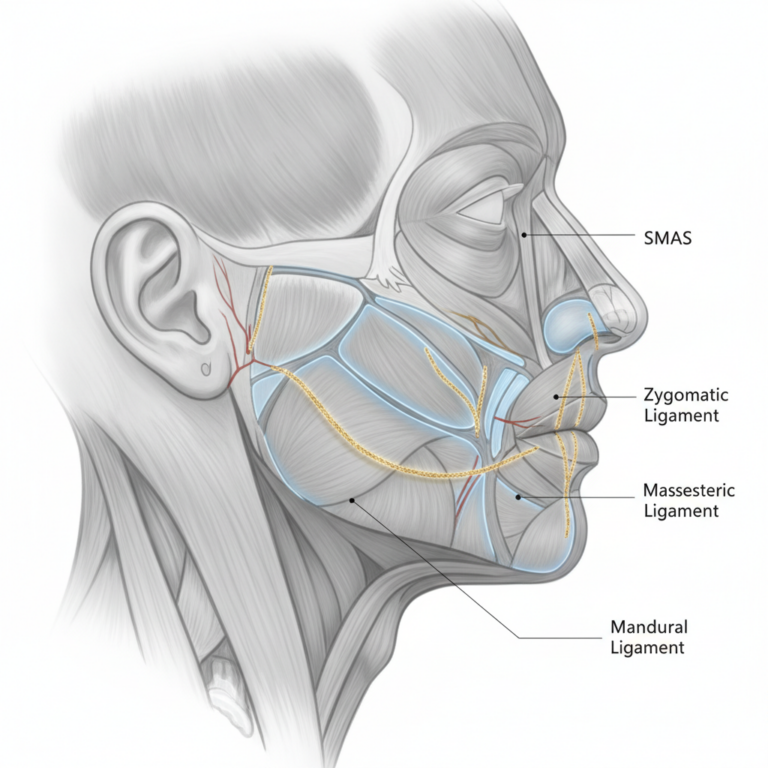
As you get older, changes occur throughout the face. Skin becomes thinner and less elastic, soft tissues change, and supporting structures are affected by decades of aging and gravity. The nose participates in this process, too.
For example, someone may have an excellent rhinoplasty result at 35 and still be happy with the shape decades later. However, the nasal tip may eventually appear somewhat different as the skin and supporting tissues age.
That doesn’t necessarily mean the rhinoplasty has “worn off.”
Think about it in the context of the rest of the face. Your jawline, cheeks, eyelids, and skin won’t look exactly the same 30 years from now, either. The nose simply ages alongside them.
A well-planned rhinoplasty anticipates this as much as reasonably possible by creating appropriate structural support rather than focusing only on making the nose smaller.
3. Swelling Is Not Your Long-Term Result
The third issue patients frequently confuse with longevity is swelling.
Rhinoplasty has an unusually long refinement period compared with many cosmetic procedures. While the most noticeable swelling decreases relatively early in recovery, subtle swelling, particularly around the nasal tip, can persist for many months.
It can take a full year, and sometimes longer, for the nose to completely settle and refine.
This creates an unusual situation: your nose can look dramatically different several weeks after surgery and still not represent your final result.
At three months, you might notice that the bridge looks much more refined but the tip still seems wider than expected. At six months, the tip may look noticeably more defined. By approximately one year, additional subtle refinement may have occurred.
Skin thickness, the extent of surgery, whether the procedure is a primary or revision rhinoplasty, and individual healing can all affect this timeline.
So, if your nose looks different at month 12 than it did at month two, that doesn’t mean the surgical result lasted only a few months. It means you were still healing.
Does Your Nose Grow Back After Rhinoplasty?
No. Rhinoplasty isn’t like getting a haircut.
Bone or cartilage that has been surgically removed does not simply regenerate until your original nose returns. However, cartilage and soft tissues can change with aging, healing, scar formation, and other factors.
This distinction becomes especially important when looking at old rhinoplasty photographs online. A nose that changes somewhat over several decades isn’t evidence that rhinoplasty is temporary.
The better question is whether the underlying surgical result remains stable and harmonious as the patient’s face ages.
What Can Actually Change Your Nose Years After Rhinoplasty?
Although a well-healed surgical result is intended to be stable, certain events and physical changes can alter the appearance of the nose later.
Injury or Trauma
A significant impact on the nose can alter bone or cartilage regardless of whether you’ve previously had rhinoplasty.
For example, someone who has an excellent result for eight years and then breaks their nose playing a sport may develop a new deviation or contour irregularity. That’s a new injury—not the original rhinoplasty wearing off.
Anyone who experiences substantial nasal trauma after rhinoplasty should have the injury appropriately evaluated.
Significant Weight Change
The nose itself doesn’t gain and lose fat the way areas such as the abdomen do, so ordinary weight fluctuations generally won’t undo rhinoplasty.
However, significant changes in body weight can change the proportions of the face. Losing a substantial amount of facial volume, for example, may make the nose appear more prominent relative to the cheeks or other surrounding features.
In this case, the surgically altered nasal structures may be stable even though the face around them looks different.
Skin Thinning and Aging
Skin quality changes with age.
Over decades, thinning skin and changes in soft-tissue support may make certain nasal contours more apparent. Tip support can also change as the structures of the nose age.
This is one reason rhinoplasty planning should consider more than how the nose will look immediately after surgery. Maintaining adequate structural support matters for creating a result designed to age well.
Can Lifestyle Affect Rhinoplasty Results?
Good habits won’t stop the nose from aging, but protecting your skin and overall health can support how your face ages.
Sun protection is particularly important because cumulative UV exposure contributes to changes in skin quality. Avoiding smoking is also beneficial for general skin and tissue health.
Patients should also follow their surgeon’s instructions carefully during the initial recovery period. Protecting the nose from impact is especially important while the nasal structures are healing.
After recovery, however, patients shouldn’t feel as though they have to spend the rest of their lives protecting a fragile “surgical nose.” The objective is for the healed nose to become a normal part of the face.
Will I Need Another Nose Job Eventually?
Not simply because a certain number of years have passed.
There is no routine schedule for repeating rhinoplasty. Someone satisfied with a stable result doesn’t need another operation at year 10 or year 20 just because their first procedure has reached an arbitrary age.
Revision surgery is instead considered when there is a specific concern that warrants further treatment. That could include an aesthetic issue, functional problem, change following trauma, or an unsatisfactory outcome from previous surgery. And that leads to an important distinction when discussing how long rhinoplasty lasts.
What Often Doesn’t Last Is a Poorly Planned First Result
The durability of rhinoplasty isn’t only about what happens decades after surgery. It also depends on what was done during the first operation.
An overly aggressive rhinoplasty may remove too much structural support. A poorly proportioned result might look acceptable from one angle but become increasingly bothersome once swelling disappears. Other patients may discover that the first operation simply didn’t address their original concern adequately.
In those situations, the problem isn’t that rhinoplasty naturally “wore off.” The patient may need another operation because the first surgical result wasn’t satisfactory or structurally durable.
That is one reason choosing a rhinoplasty surgeon should involve more than comparing prices or looking at a handful of dramatic before-and-after photographs. Surgical planning, preservation of appropriate support, experience, aesthetic judgment, and the ability to manage complications all matter.
For patients who have previously undergone nasal surgery and remain concerned about appearance or function, revision rhinoplasty may provide an opportunity to address problems from an earlier procedure.
A Permanent Change That Continues to Age With You
So, how long does a nose job last?
The surgical changes are permanent, but your nose remains part of a living, aging face. Swelling may take a year or longer to fully resolve, and decades of normal aging can gradually alter skin, cartilage, and facial proportions. Injury and other significant physical changes can also affect the nose later.
What shouldn’t happen is your original nose simply returning because your rhinoplasty has “expired.”
At Shah Aesthetic Surgery, Dr. Manish Shah takes an individualized approach to rhinoplasty, considering facial proportions, nasal structure, and the long-term stability of the result rather than focusing only on an immediate transformation.
If you’re considering rhinoplasty, scheduling a consultation is the best way to understand what can realistically be changed, how those changes may age, and what approach makes sense for your anatomy.