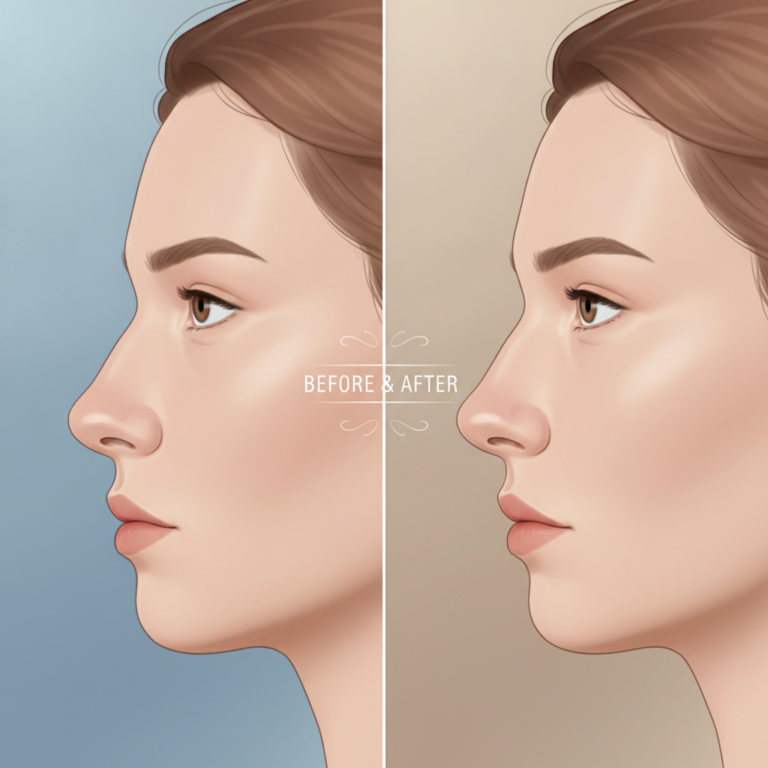


When considering facial rejuvenation surgery, one of the first things most patients want to see is before-and-after photos. While photographs can be incredibly helpful, they often raise another important question: What exactly changes after a deep plane facelift?
Unlike older facelift techniques that primarily tighten the skin, a deep plane facelift addresses the deeper structures of the face responsible for sagging, jowls, and loss of youthful contours. The result is a more comprehensive and natural-looking rejuvenation that restores facial harmony without making patients look pulled, stretched, or like a different person.
At Shah Aesthetic Surgery, Dr. Manish Shah believes that the best facelift results are the ones that help patients look refreshed, confident, and like themselves again. Understanding what changes to expect before and after a deep plane facelift can help you determine whether this advanced procedure aligns with your goals.
What Is a Deep Plane Facelift?
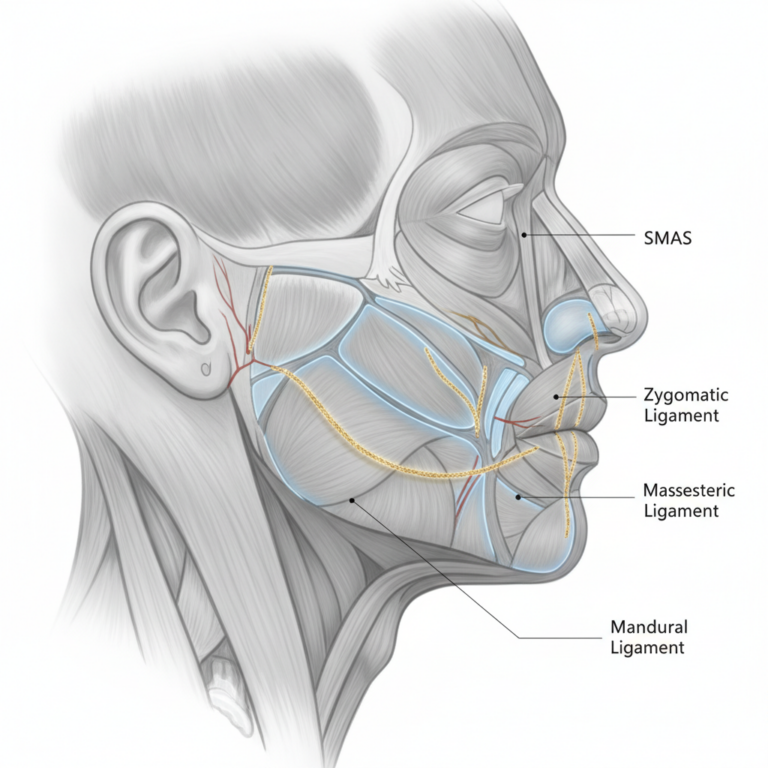
A deep plane facelift is an advanced facial rejuvenation procedure that lifts and repositions the deeper facial tissues rather than simply tightening loose skin.
As we age, gravity causes the cheeks, jawline, and neck tissues to descend. This leads to common concerns such as:
- Jowls
- Deep nasolabial folds
- Sagging cheeks
- Loss of jawline definition
- Loose neck skin
A deep plane facelift releases and elevates these deeper structures as a unit, restoring youthful contours while preserving natural facial movement and expression.
Because the correction occurs beneath the skin, results tend to look more natural and often last longer than traditional facelift approaches.
What Patients Notice Before Surgery
Many patients considering a deep plane facelift describe feeling like their reflection no longer matches how youthful and energetic they feel inside.
Common concerns before surgery include:
Sagging Cheeks
One of the earliest signs of facial aging is the descent of the cheeks. Patients may notice that the fullness that once sat higher on the face has gradually shifted downward.
Deep Facial Folds
As facial tissues descend, folds between the nose and corners of the mouth become more prominent.
Jowls Along the Jawline
The development of jowls often causes the jawline to lose its youthful definition.
Neck Laxity
Loose skin and muscle separation beneath the chin can create a heavier appearance and blur the transition between the face and neck.
A Tired or Aged Appearance
Many patients say they look tired, sad, or older than they feel—even when they are well-rested and healthy.
What Changes Immediately After a Deep Plane Facelift?
Although patients will experience swelling and bruising during the early healing period, improvements are often noticeable right away.
Immediately after surgery, patients may see:
- A more defined jawline
- Reduced jowling
- Improved neck contour
- Elevated cheeks
- Smoother facial transitions
At this stage, however, it is important to remember that swelling can temporarily mask some of the final results.
This is why patience is a key part of the recovery process.
The Most Noticeable Before-and-After Improvements
Enhanced Jawline Definition
One of the most dramatic changes patients notice is the restoration of a cleaner, more youthful jawline. Before surgery, jowls can create heaviness and disrupt facial proportions. After a deep plane facelift, the jawline typically appears sharper and more defined.
Many patients feel this improvement alone makes them look years younger.
Lifted Cheeks
A deep plane facelift restores the natural position of the cheeks rather than simply tightening skin.
This creates:
- Better cheek contour
- Improved facial balance
- A healthier, more youthful appearance
Patients often describe looking less tired and more vibrant after their procedure.
Softer Nasolabial Folds
Because the cheeks are repositioned upward, the folds around the nose and mouth are naturally softened.
This improvement is often difficult to achieve with skin-only facelift techniques.
Improved Neck Contour
Many deep plane facelift procedures include treatment of the neck.
Patients frequently notice:
- Reduced neck laxity
- Improved definition beneath the chin
- A smoother neck profile
The face and neck work together aesthetically, so treating both areas often produces the most harmonious result.
What Doesn’t Change After a Deep Plane Facelift?
Understanding what a facelift does not address is just as important as understanding what it improves. A deep plane facelift primarily targets sagging tissues and structural aging.
It does not directly treat:
- Skin texture issues
- Sun damage
- Fine surface wrinkles
- Pigmentation concerns
- Volume loss in certain areas
For these concerns, Dr. Shah may recommend complementary treatments such as:
- Laser resurfacing
- Chemical peels
- Fat grafting
- Injectable fillers
- Medical-grade skincare
Combining procedures can often create even more comprehensive rejuvenation.
When Do Final Results Appear?
Patients are often eager to see their final results, but facelift healing is a gradual process.
First Two Weeks
Most bruising and significant swelling improve.
Patients often begin returning to social activities during this period.
One Month
Many patients feel comfortable attending events and being photographed.
Results continue to refine as swelling subsides.
Three Months
A substantial amount of healing has occurred.
The facial contours become increasingly natural and defined.
Six Months to One Year
Final results continue to emerge as tissues settle completely.
Scars continue to mature and fade.
Will I Still Look Like Myself?
This is perhaps the most important question patients ask.
The goal of a modern deep plane facelift is not to create a different face. The goal is to restore the facial structure that has gradually changed with age.
A successful result should make people say:
- “You look refreshed.”
- “You look well-rested.”
- “You look great.”
Not:
- “What did you have done?”
Dr. Shah’s philosophy emphasizes natural-looking rejuvenation that respects each patient’s unique facial anatomy and identity.
How Long Do Deep Plane Facelift Results Last?
One of the reasons patients choose a deep plane facelift is its longevity.
Results commonly last:
10–15 years or longer
While the aging process continues, patients maintain the benefits of the correction and generally continue to look younger than they would have without surgery.
Factors that influence longevity include:
- Genetics
- Sun exposure
- Smoking status
- Overall health
- Skincare habits
Maintaining a healthy lifestyle can help preserve results for many years.
Why Surgeon Experience Matters
Before-and-after photos often reveal more than the procedure itself. They reveal the surgeon’s skill.
A deep plane facelift is one of the most technically advanced facial rejuvenation procedures available. Choosing an experienced facial plastic surgeon is critical to achieving natural, balanced results.
Patients should look for:
- Board certification
- Extensive facelift experience
- Consistent before-and-after outcomes
- A focus on natural results
- Personalized patient care
At Shah Aesthetic Surgery, Dr. Shah takes a compassionate, individualized approach to every facelift consultation. Patients are never treated like a number. Instead, he takes the time to understand their concerns, explain their options, and develop a treatment plan tailored specifically to their goals.
Seeing Yourself, Only Refreshed
The most rewarding deep plane facelift results are often the most subtle. While improvements to the cheeks, jawline, neck, and facial contours can be dramatic, the overall effect should still feel familiar.
A successful deep plane facelift doesn’t create a new face. It helps restore the version of yourself that aging has gradually changed. For patients seeking long-lasting, natural-looking facial rejuvenation, the before-and-after transformation is often less about looking different and more about looking like themselves again, confident, refreshed, and revitalized. Contact us today to learn more.