

The deep plane facelift has become one of the most sought-after facial rejuvenation procedures in the United States, especially among patients looking for natural movement, long-lasting results, and improvement that extends beyond the superficial layers of the face. But with its growing popularity comes an understandable question: Are deep plane facelifts safe?
The short answer is yes, deep plane facelifts are considered safe when performed by an experienced, board-certified plastic surgeon who specializes in advanced facial surgery. However, like any surgical procedure, safety depends on several factors, including surgical expertise, patient health, and adherence to proper postoperative care. Below is an in-depth look at what makes the deep plane technique safe, what risks exist, and how patients can ensure the best experience and outcome.
Understanding the Deep Plane Facelift
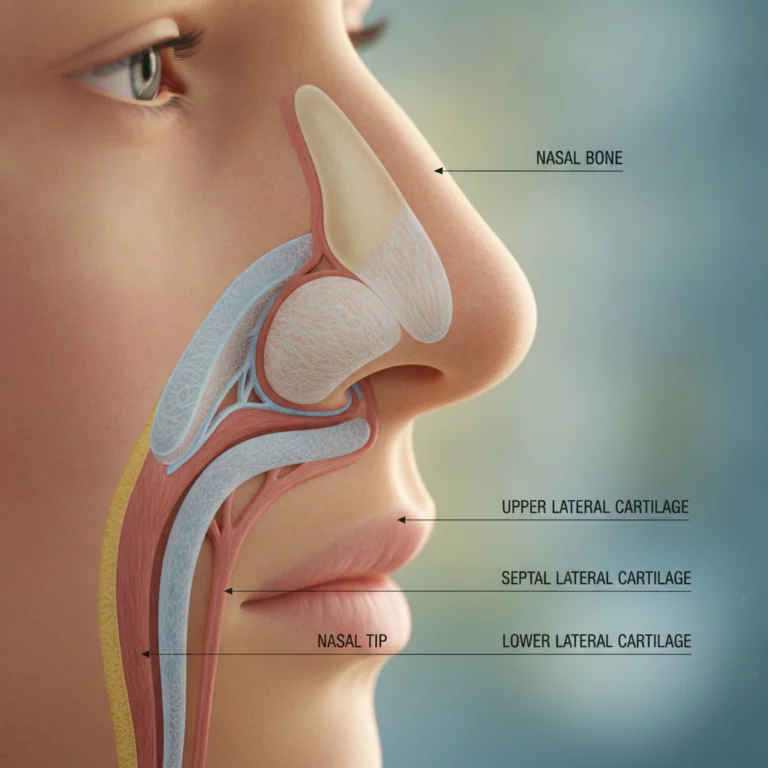
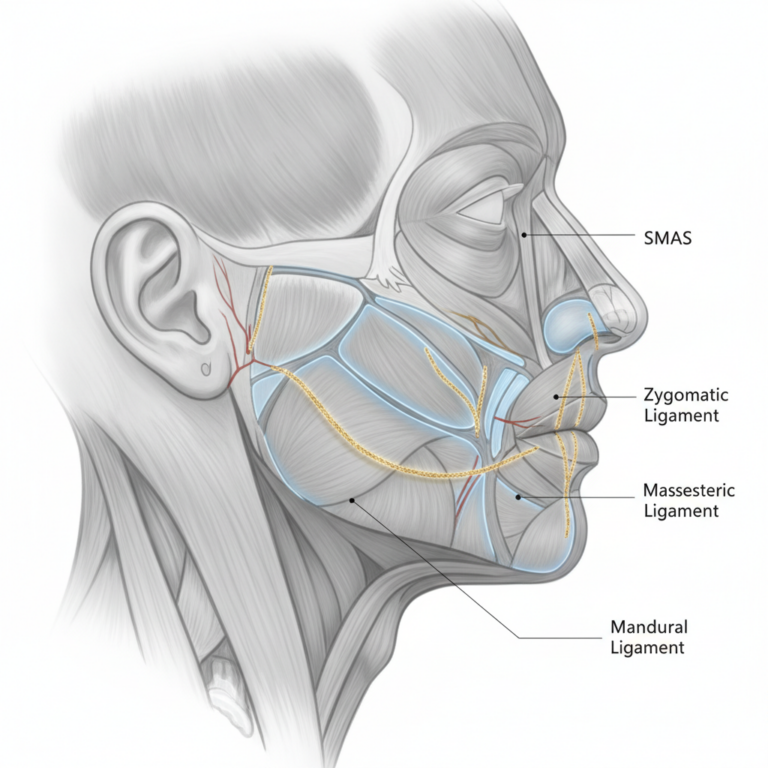
A deep plane facelift is more advanced than a traditional facelift because it lifts the deeper facial layers beneath the SMAS (superficial musculoaponeurotic system), rather than relying solely on tightening the skin. By repositioning the deeper muscles, ligaments, and fat pads as a single unit, surgeons can restore midface volume, soften nasolabial folds, redefine the jawline, and create a rejuvenated appearance without the overly tight or “windswept” look associated with older facelift methods.
Because this technique involves working closer to important facial structures, it requires a high level of training and precision, one of the key reasons surgeon selection is critical to safety.
Are Deep Plane Facelifts Safe?
When performed by a surgeon who is properly trained in deep plane anatomy and facelift technique, the procedure is considered very safe. In fact, many facial plastic surgeons regard the deep plane facelift as safer in some ways than skin-only or SMAS-only lifts because there is less tension on the skin, less risk of skin necrosis, and more predictable lifting of the deeper layers.
However, safety is never based on the technique alone. It’s based on the surgeon performing it.
A board-certified plastic surgeon with extensive experience in facelift surgery, such as Dr. Manish Shah, understands the detailed anatomy of the face, the location of facial nerves, and the natural vectors of tension and aging. This expertise significantly reduces the risk of complications and ensures the procedure is performed with precision and control.
Why the Deep Plane Technique Can Be Safer
Several characteristics of the deep plane facelift contribute to its safety profile:
1. Less Tension on the Skin
Traditional facelifts often rely more heavily on pulling and tightening the skin, which can compromise blood supply. The deep plane approach lifts the deeper tissues instead, leaving the skin under less strain and lowering the risk of healing issues.
2. Better Preservation of Blood Supply
Because the deep plane technique undermines less skin and maintains more of the facial blood supply, the risk of skin necrosis is reduced, especially for nonsmoking patients.
3. More Predictable Rejuvenation
This technique repositions the natural facial layers rather than pulling them, which provides smoother, more controlled lifting along the cheeks and jawline. Predictability and stability are important components of surgical safety.
4. Lower Risk of “Pulled” or Distorted Results
By lifting the tissues that actually descend with age, surgeons avoid overstretching the skin or altering natural facial expression, both of which can occur with more superficial techniques.
What Are the Risks of a Deep Plane Facelift?
Although deep plane facelifts are safe, they are also technically complex. Understanding the potential risks helps patients make informed decisions.
Temporary Numbness or Altered Sensation
It is normal to experience numbness around the cheeks, ears, and jawline. Sensation typically returns as swelling decreases and nerves recover.
Bruising and Swelling
Swelling peaks early and may take several weeks to fully resolve. Bruising is also common but temporary.
Hematoma
Although uncommon, a hematoma (a collection of blood beneath the skin) can occur. Surgeons minimize this risk by controlling blood pressure, managing medications, and providing detailed postoperative instructions.
Infection
Rare but possible. Proper surgical technique and postoperative care help prevent infection.
Temporary Facial Nerve Weakness
This is one of the risks patients worry about most. In the deep plane technique, facial nerves are not exposed. They remain protected beneath the lifted tissue plane. Temporary weakness can occur due to swelling or gentle stretching of the affected area. Permanent nerve injury is extremely rare when performed by an experienced surgeon.
Surgeon Expertise Is the Most Important Safety Factor
The deep plane facelift is not a beginner procedure—t requires advanced anatomical knowledge, training, and surgical judgment. For this reason, patients should carefully research surgeons who have:
- Board certification through the American Board of Plastic Surgery
- Extensive facelift experience
- Specialized training in deep plane techniques
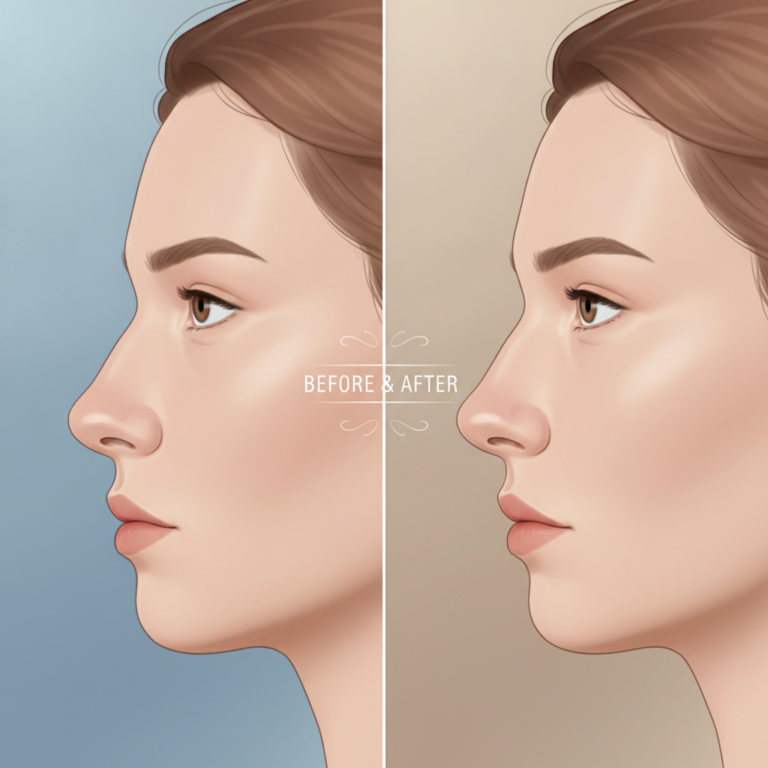
- Before-and-after photos that reflect natural results
- Strong patient reviews and complication rates
Dr. Manish Shah is highly trained in deep plane facelift surgery and has performed thousands of facial procedures in the Denver area. His experience significantly increases the safety and predictability of the deep plane approach.
Is the Recovery Period Safe?
Most patients recover smoothly when they follow postoperative instructions. A typical recovery timeline includes:
- First Week: Swelling, bruising, and tightness are normal.
- Two Weeks: Patients often feel comfortable returning to normal activities.
- Three to Six Weeks: Residual swelling decreases as facial movement improves.
- Three to Six Months: Final refinement of the cheeks, jawline, and neck becomes visible.
Dr. Shah provides detailed guidelines for incision care, activity restrictions, medications, and follow-up visits to ensure healing progresses safely.
Who Is a Safe Candidate for the Deep Plane Facelift?
Safe candidates include individuals who:
- Are in good overall health
- Do not smoke or can refrain before and after surgery
- Have realistic expectations
- Show significant midface, jowl, or neck aging
- Want long-lasting, natural rejuvenation
Patients with uncontrolled medical conditions may need clearance from their physician before scheduling surgery.
Making the Procedure Even Safer: Your Role as a Patient
Patients play a major role in maintaining surgical safety. Key steps include:
- Disclosing all medications and supplements
- Following all preoperative instructions
- Avoiding nicotine
- Managing blood pressure
- Keeping follow-up appointments
- Contacting the surgeon promptly if concerns arise
Following these guidelines dramatically decreases risk and improves outcomes.
Deep Plane Facelifts Are Safe in the Right Hands
Deep plane facelifts are considered safe, sophisticated, and highly effective when performed by an experienced surgeon. They offer structural lifting, natural expression, and long-lasting rejuvenation with a safety profile comparable to, if not better than, traditional facelift methods.
The most important safety factor is choosing a surgeon who specializes in facial surgery and has deep experience with this particular technique.
For patients seeking advanced facelift results in Denver, Dr. Manish H. Shah combines surgical expertise with a commitment to natural outcomes and patient safety. His precision-driven approach helps ensure that each patient’s deep plane facelift is performed with the highest standard of care.
If you are considering facial rejuvenation and want to determine whether a deep plane facelift is safe and appropriate for your goals, schedule a consultation at Shah Aesthetic Surgery to receive a detailed evaluation and personalized treatment plan.