
For decades, plastic surgery carried a cultural stigma. People who chose cosmetic procedures such as facelifts were often labeled as vain, superficial, or overly concerned with their appearance. Many patients felt pressure to keep their surgeries private, sometimes even denying they had undergone treatment.
Today, that narrative is beginning to change. While stigma has not completely disappeared, attitudes toward plastic surgery are becoming more nuanced and accepting. Advances in surgical techniques, greater transparency from public figures, and a growing focus on personal wellness have all contributed to shifting perceptions.
Understanding how this stigma developed, and why it is evolving, can help patients feel more comfortable exploring aesthetic treatments as a legitimate form of self-care and personal choice.
Why Plastic Surgery Was Once Stigmatized
Historically, plastic surgery was often misunderstood. In earlier decades, the public tended to associate cosmetic procedures with vanity or insecurity rather than health or confidence.
Several factors contributed to this stigma.
First, early plastic surgery techniques sometimes produced unnatural results. Highly visible procedures in the media reinforced the perception that cosmetic surgery created exaggerated or artificial appearances.
Second, the concept of altering one’s appearance surgically challenged traditional beliefs about aging and natural beauty. In many cultures, aging was seen as something that should simply be accepted.
Finally, plastic surgery was often portrayed in entertainment media as an indulgence for celebrities or the wealthy. This framing made it appear frivolous rather than meaningful or beneficial.
These perceptions created a social environment in which patients often felt uncomfortable discussing their procedures openly.
The Reality: People Seek Plastic Surgery for Many Reasons
Modern research shows that cosmetic surgery motivations are far more complex than stereotypes suggest. Individuals considering aesthetic procedures are influenced by a variety of factors, including personal confidence, body image, health concerns, and life transitions.
For many patients, plastic surgery is not about chasing perfection. Instead, it is about restoring harmony to their appearance or addressing features that have long caused discomfort or insecurity.
For example:
- A facelift may help someone feel their appearance better reflects how youthful they feel.
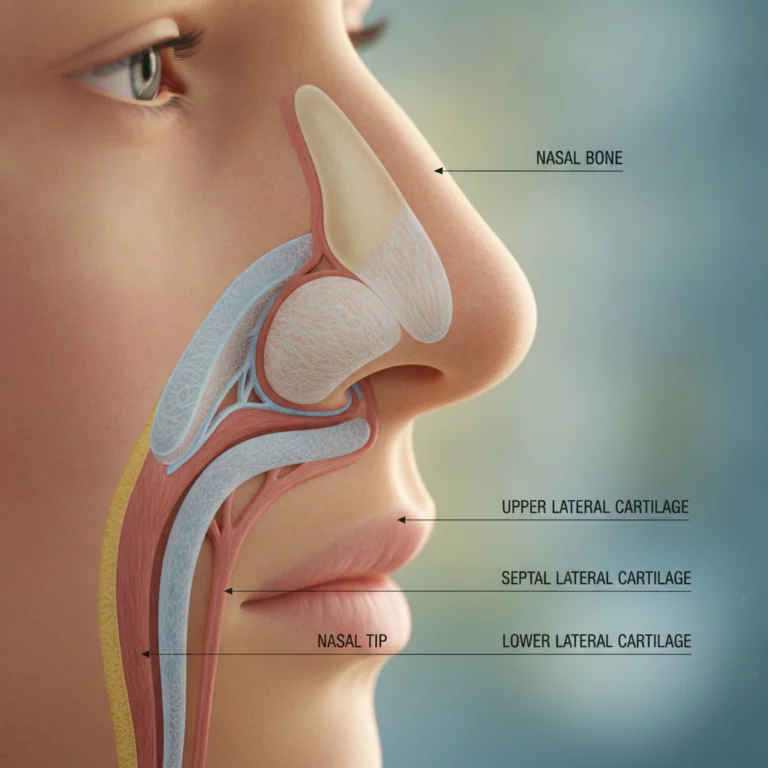
- Rhinoplasty may correct a long-standing nasal asymmetry or breathing issue.
- Eyelid surgery may improve both vision and facial appearance.
In many cases, patients describe their goals not as transformation, but as looking refreshed, balanced, or more like themselves again.
Evidence That Attitudes Are Changing
Recent surveys suggest that public attitudes toward cosmetic procedures are becoming more positive.
One national survey found that 18% of Americans say attitudes toward plastic surgery in their social circles have become more positive over the past three years.
The same research found that nearly one in four people in the United States has had at least one cosmetic procedure, showing that aesthetic treatments are becoming increasingly mainstream.
Procedure numbers also reflect this normalization. Millions of cosmetic procedures are performed globally each year, with demand remaining steady despite economic fluctuations.
As more people openly discuss their experiences, the secrecy that once surrounded plastic surgery is gradually fading.
The Role of Social Media and Transparency
Social media has played a complicated but significant role in changing attitudes toward plastic surgery.
In the past, celebrities often denied having cosmetic procedures, which created unrealistic expectations about aging and beauty. Today, many public figures are more open about their aesthetic treatments.
Recent cultural reporting notes that celebrities and influencers increasingly discuss their procedures publicly, contributing to a broader shift toward transparency.
This openness has helped normalize the idea that cosmetic procedures are simply another form of personal choice, similar to orthodontics, skincare treatments, or fitness routines.
At the same time, social media has encouraged more conversations about realistic expectations and the importance of choosing qualified surgeons.
Plastic Surgery and the Concept of Self-Care
Another factor influencing changing attitudes is the growing emphasis on self-care and wellness.
In the past, investing in one’s appearance could be viewed as superficial. Today, many people see aesthetic treatments as part of a broader effort to maintain confidence and well-being.
In fact, surveys show that many people view cosmetic procedures as a form of self-improvement and empowerment, rather than vanity.
For some individuals, addressing a physical concern that has bothered them for years can have meaningful psychological benefits. Research has found that cosmetic surgery can improve body image, self-esteem, and overall quality of life for appropriately selected patients.
Why Some Stigma Still Exists
Although attitudes are evolving, stigma has not completely disappeared.
Some individuals still associate cosmetic procedures with unrealistic beauty standards or excessive aesthetic enhancement. In particular, highly visible or exaggerated cosmetic trends can reinforce negative stereotypes about plastic surgery.
There are also lingering misconceptions about safety and motivations. For example, some people assume that cosmetic surgery is always elective or unnecessary, ignoring the functional or psychological reasons patients pursue treatment.
Another factor is generational differences. Younger adults tend to have more accepting views of aesthetic treatments compared to older generations, who may have grown up during a time when cosmetic surgery was far less common.
Advances in Technology Are Changing Perceptions
Modern surgical techniques are also helping reduce stigma.
Today’s procedures prioritize natural-looking results and subtle improvements rather than dramatic alterations. Innovations such as deep plane facelifts, preservation rhinoplasty, and minimally invasive treatments allow surgeons to enhance facial balance while preserving each patient’s unique identity.
As outcomes become more refined and less obvious, cosmetic surgery increasingly blends into everyday life.
Patients often hear comments like:
“You look well-rested.”
“You look refreshed.”
“You look like yourself, just younger.”
This shift toward natural results has played a major role in reshaping public perception.
The Importance of Individual Choice
Perhaps the most significant change in recent years is the growing recognition that aesthetic decisions are deeply personal.
Just as people choose different hairstyles, skincare routines, or fitness goals, cosmetic procedures are increasingly viewed as individual choices rather than societal obligations.
Some people embrace aging naturally and never pursue cosmetic treatments. Others choose surgical or nonsurgical procedures to address specific concerns. Both perspectives are valid.
What matters most is that patients make informed decisions based on their own goals, not outside pressure or unrealistic expectations.
Moving Toward a More Open Conversation
As attitudes toward plastic surgery continue to evolve, open conversations are becoming more common. Patients are asking better questions, surgeons are emphasizing education and safety, and society is gradually recognizing that cosmetic procedures are part of modern healthcare.
The stigma surrounding plastic surgery may never disappear completely, but it is clearly shifting.
For many patients today, aesthetic surgery is no longer something to hide. Instead, it is simply another way people choose to invest in their confidence, well-being, and quality of life. Have more questions? Contact us today and let us help you work through them.