
You are lying awake at 2am, phone glowing, reading facelift forums instead of sleeping. Every story about anesthesia problems feels bigger than it probably is. You want a natural-looking lift, but the idea of “going under” for hours keeps you from booking a consultation.
That fear is common. It is exactly why more people now ask their surgeon about an awake deep place facelift, a method that keeps you comfortably sedated instead of fully unconscious. You skip full anesthesia while still getting a deeper, more structural lift with a natural-looking outcome.
Dr. Shah is a board-certified, fellowship-trained plastic surgeon who has performed this technique for years. He believes anxious patients deserve real numbers, not just reassurance.
Quick answer: An awake facelift uses numbing medication with oral sedation instead of general anesthesia. It lifts the SMAS and releases deep facial ligaments in one connected step. Modern anesthesia carries roughly a 1-in-200,000 to 1-in-300,000 mortality risk nationally, far below what most people fear. This approach can also mean a smoother recovery and a natural look..
What’s inside
- Why Do So Many People Fear Anesthesia Before a Facelift?
- What Actually Happens During an Awake Deep Plane Facelift?
- Is an Awake Facelift Actually Safer Than Full Anesthesia?
- What Does Recovery and the Final Look Actually Look Like?
Why Do So Many People Fear Anesthesia Before a Facelift?
Anesthesia anxiety is nearly universal before surgery. Most people fear losing control, waking up mid-procedure, or feeling sick afterward. They rarely fear a life-threatening complication, which is extremely rare with modern care.
What the Research Says About Preoperative Anxiety
Fear of “going under” is not rare. A 2016 study in the Journal of Anaesthesiology Clinical Pharmacology found 88.9% of 400 surgical patients feared general anesthesia. Broader reviews put global preoperative anxiety as high as 60% to 92% of surgical patients. This comes from a review in Frontiers in Psychology.
Those numbers matter for anyone weighing facelift options. If you feel anxious about anesthesia, you are in the majority, not the exception.
The Specific Fears People Report (and How Realistic They Are)
Most people are not primarily afraid of dying. They fear intraoperative awareness, a rare state of waking mid-procedure and remembering it, along with nausea afterward. These worries are common, but anesthesia teams watch for exactly these issues throughout every surgery.
Picture a 52-year-old considering a facelift, typing “facelift anesthesia risk” into a search bar at 2am. She is not worried about her results. She is worried about losing control during the hours she cannot remember.
Pro tip: Ask how long your case is expected to run. Many surgeons prefer full anesthesia once a procedure passes the 3-to-4-hour mark.
What Actually Happens During an Awake Deep Plane Facelift?
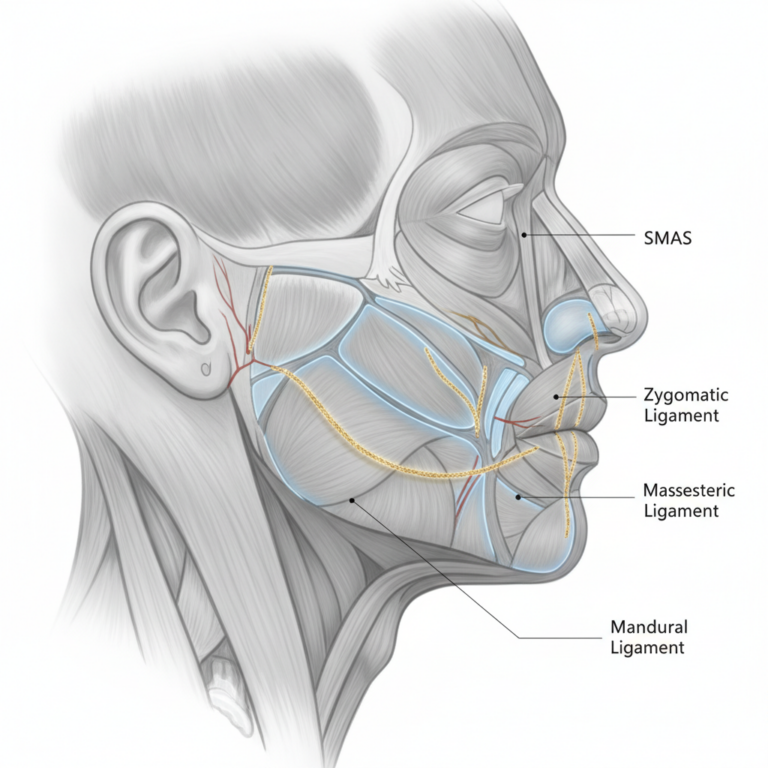
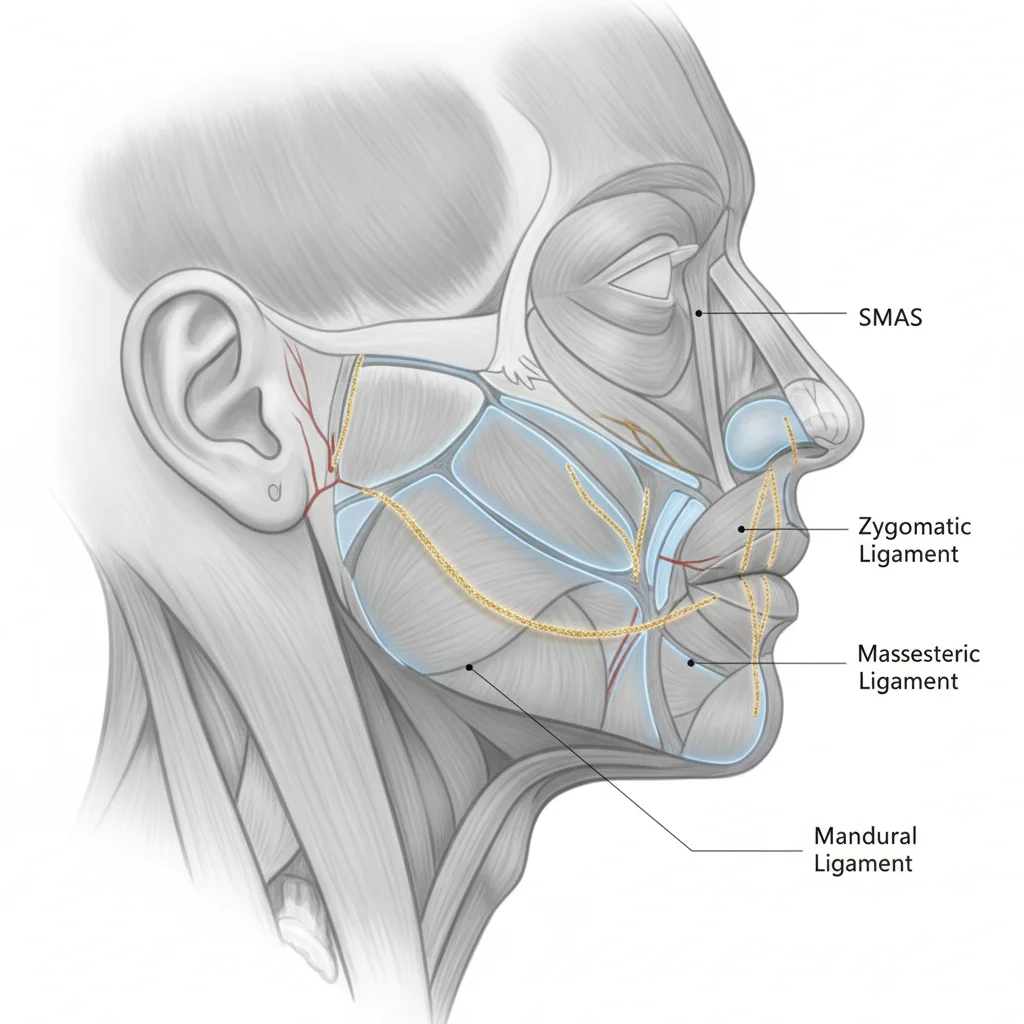
This technique repositions the SMAS and releases key facial ligaments (osseocutaneous ligaments) using local numbing medication with oral sedation, keeping you comfortable without full unconsciousness.
How the Technique Works, Step by Step
SMAS, short for superficial musculoaponeurotic system, is the fibrous layer under your skin that anchors facial muscles in place. A traditional facelift tightens skin and sometimes folds the SMAS near the surface, a step called plication.
This approach goes further. The surgeon works underneath that layer, releasing the ligaments holding sagging tissue down, then repositions the deeper tissue as one connected unit. This is called ligament release, and it restores a more youthful position without simply pulling skin tighter. Many plastic surgeons consider this the gold standard for face and neck rejuvenation because it addresses the cause of sagging, not just the surface effects.
Local Anesthesia vs Twilight Grogginess
Local anesthesia with oral sedation means the surgical site is fully numbed while a calming medication keeps you relaxed. A twilight state is a deeper version of the same idea, keeping you drowsy and comfortable but easy to rouse but it requires an IV, oxygen, and continuous monitoring.
Neither approach needs a breathing tube or full unconsciousness. You keep breathing on your own the whole time, which is a big part of why recovery often feels less foggy.
Protecting the Facial Nerve During Ligament Release
The facial nerve controls the muscles that let you smile, blink, and raise your eyebrows. Because this technique works below the SMAS, a fellowship-trained surgeon must know exactly where the nerve branches run in each face, a skill built through years of surgical training and real-world experience.
Think of it as working carefully around wiring behind a wall. The surgeon lifts and repositions the structural layer while staying above the nerve, protecting movement and expression.
Pro tip: Ask whether your surgeon releases all three major retaining ligaments, not just the surface layer. Partial release often means a shorter-lasting lift.
Is an Awake Facelift Actually Safer Than Full Anesthesia?
Modern general anesthesia is already very safe. But staying numb and calm without it removes several specific risks that worry people most.
Anesthesia Risk: Then vs Now
Anesthesia safety has improved dramatically over the past few decades. Twenty-five years ago, anesthesia-related mortality was roughly 2 per 10,000 cases. Today it sits far lower.
|
Time Period |
Anesthesia-Related Mortality Rate |
|---|---|
|
About 25 years ago |
2 per 10,000 anesthetics |
|
Today |
1 per 200,000 to 300,000 anesthetics |
Figure: these are national planning estimates, not a guarantee of any single outcome, per the American Society of Anesthesiologists.
That same report notes a person is roughly 40 times more likely to be struck by lightning. This comparison puts the small risk into perspective for anyone feeling anxious.
Why using Board-Certified Anesthesiology Still Matters
Choosing an awake option does not mean less oversight. If you are having oral sedation with local anesthesia, you are being monitored by Dr. Shah and his staff the entire time. If you are having IV sedation, then Dr. Shah’s anesthesia team at the surgery center is monitoring you the entire time. Think of your anesthesiologist as a co-pilot who never looks away from the instruments. They track your heart rate, blood pressure, and oxygen level the entire time, exactly as they would under full anesthesia.
Modern anesthesia is very safe, and both anesthesia-related death and true intraoperative awareness are extremely rare, per the Anesthesia Patient Safety Foundation. This approach simply shifts how that safety gets delivered, not whether it exists.
Pro tip: Ask what oxygen level your team requires before sending you home. Most require at least 95% on room air before discharge.
What Does Recovery and the Final Look Actually Look Like?
Because there is no full anesthesia to clear, many awake facelift patients report minimal grogginess early on, with natural-looking results developing over time.
A Realistic Recovery Timeline
Recovery is gradual, not instant. Most patients see visible bruising and swelling in the first one to two weeks. Skipping full anesthesia often supports faster recovery from grogginess. Many notice less nausea and fog on day one, though every timeline is personal.
In Dr. Shah’s hands, bruising is less common under local anesthesia conditions. Swelling keeps softening over the following weeks, and the final outcome settles in over several months as tissue fully heals.
Why This Approach Produces a More Natural Look Than Conventional Facelifts
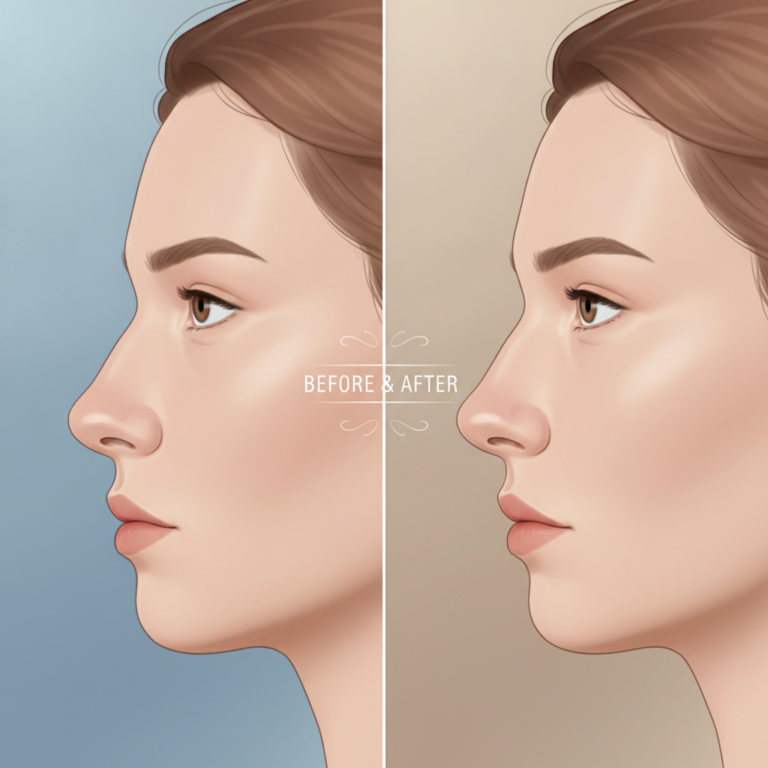
Consider two recoveries, one week after surgery. One person had a conventional SMAS-plication facelift with tissue pulled tight near the surface. Her early look is tighter, almost stretched, before it softens over time.
The other had this deeper approach. Because the surgeon repositioned tissue instead of pulling skin, her transition looks softer from the start. This method restores facial support from underneath, which avoids the “pulled” or wind-swept look sometimes tied to older facelift methods, and it gives more natural, believable results.
Pro tip: Judge swelling against the two-week mark, not week-one photos. Most puffiness resolves well before the final look is apparent.
A Quick Note on Rules
Anesthesia decisions during any facelift are made jointly by your surgeon and a board-certified anesthesiologist. They consider your health history, medications, and facial anatomy. Standards can vary by state and by facility. Ask your care team which rules apply to your case.
Disclaimer
This article is for general education and does not replace a medical consultation. Anesthesia risk, candidacy, and recovery expectations are personal to your health history and should be discussed directly with a board-certified plastic surgeon and anesthesiologist before any procedure.
Frequently Asked Questions
Decision FAQs
Can a deep plane facelift be done awake? Yes. It can be performed using local numbing medication with sedation instead of full anesthesia. Most candidates are healthy enough for surgery lasting under 3 to 4 hours. Longer or more complex cases may need full anesthesia instead.
What is the downside of this facelift approach? Recovery generally takes longer than a mini lift, often two to four weeks before swelling fully resolves. It also needs a surgeon experienced near the facial nerve.
Is an awake facelift right for someone with significant anesthesia anxiety? Often, yes. Up to one in four people delay surgery due to anesthesia fear, according to the American Society of Anesthesiologists. An awake option can remove that specific barrier.
How do I know if I’m a candidate for sedation instead of full anesthesia? Your surgeon and anesthesiologist look at your overall health, airway risk, and expected surgery length. They often favor full anesthesia once a case may run past 3 to 4 hours.
Technical/Process FAQs
What is the average cost of this procedure? Cost depends on location, surgeon experience, and how much work is needed. Most quotes include three components: surgeon fee, anesthesia team fee, and facility fee. Ask for a written estimate at your consultation.
How is the deep plane technique different from a traditional facelift? A traditional facelift tightens the surface layers. This approach instead releases three major retaining ligaments beneath it, repositioning tissue as one unit.
What is the typical recovery timeline after this procedure? Most people see major bruising and swelling improve within the first two weeks. Final results become clear over several months.
What role does a board-certified anesthesiologist play if I’m “awake” during surgery? They watch vital signs like oxygen level throughout, aiming to keep it above 95%. They’re trained to respond right away if anything changes.
If these are the exact questions keeping you up at night, bring them to your consultation. Informed people make calmer, more confident decisions about facial rejuvenation.