
If you are considering a deep plane facelift in Denver, one of the first practical questions you are likely to ask is how long the surgery takes and what recovery actually looks like. A deep plane facelift is a more advanced form of facial rejuvenation, and understanding the time commitment helps you plan everything from time off work to travel and support at home. While every patient is different, there are consistent patterns in both procedure length and healing stages. Below is a clear, realistic breakdown of what to expect.
How Long Does A Deep Plane Facelift Procedure Take?
A deep plane facelift generally takes three to five hours to perform. The length of surgery depends on the complexity of the case and the surgical plan. Patients with more significant midface descent, heavy jowling, or advanced lower-face laxity often require more detailed dissection and repositioning, which can extend operative time.
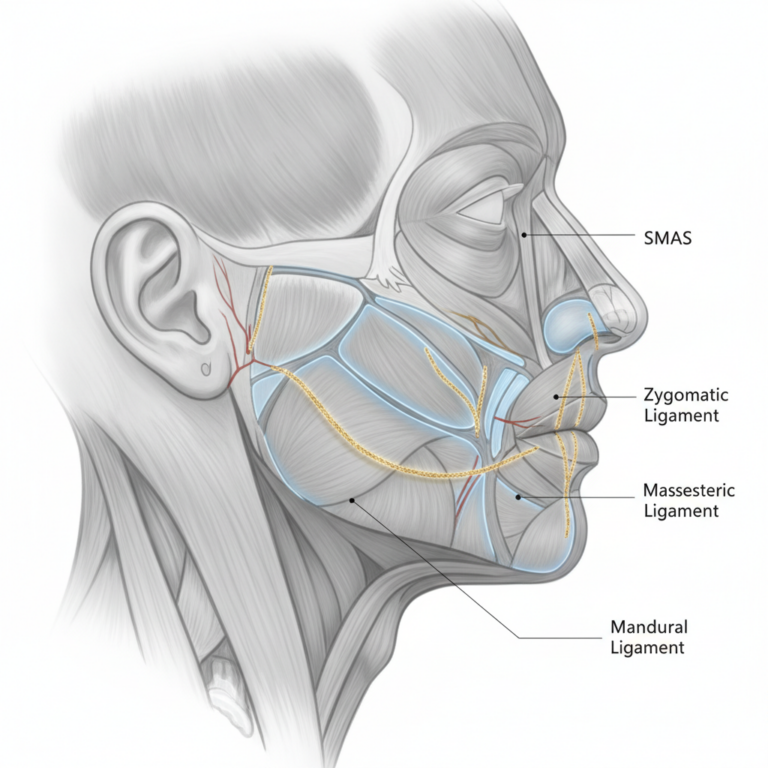
Procedure length also increases when the facelift is combined with complementary treatments such as a neck lift, eyelid surgery, fat grafting, or skin resurfacing. These combination approaches are common because they allow comprehensive rejuvenation and balanced results. Finally, surgeon technique matters. Deep plane facelifts involve careful work beneath the SMAS layer to reposition deeper facial tissues; this technique is intentionally meticulous and structurally focused, which may require more time than skin-based approaches.
In addition to the surgical time itself, patients should anticipate time for preoperative preparation and postoperative monitoring. Pre-op steps may include surgical markings and anesthesia placement. After surgery, patients typically remain in recovery for observation before discharge or an overnight stay, depending on their specific plan.
What Happens During The Surgery?
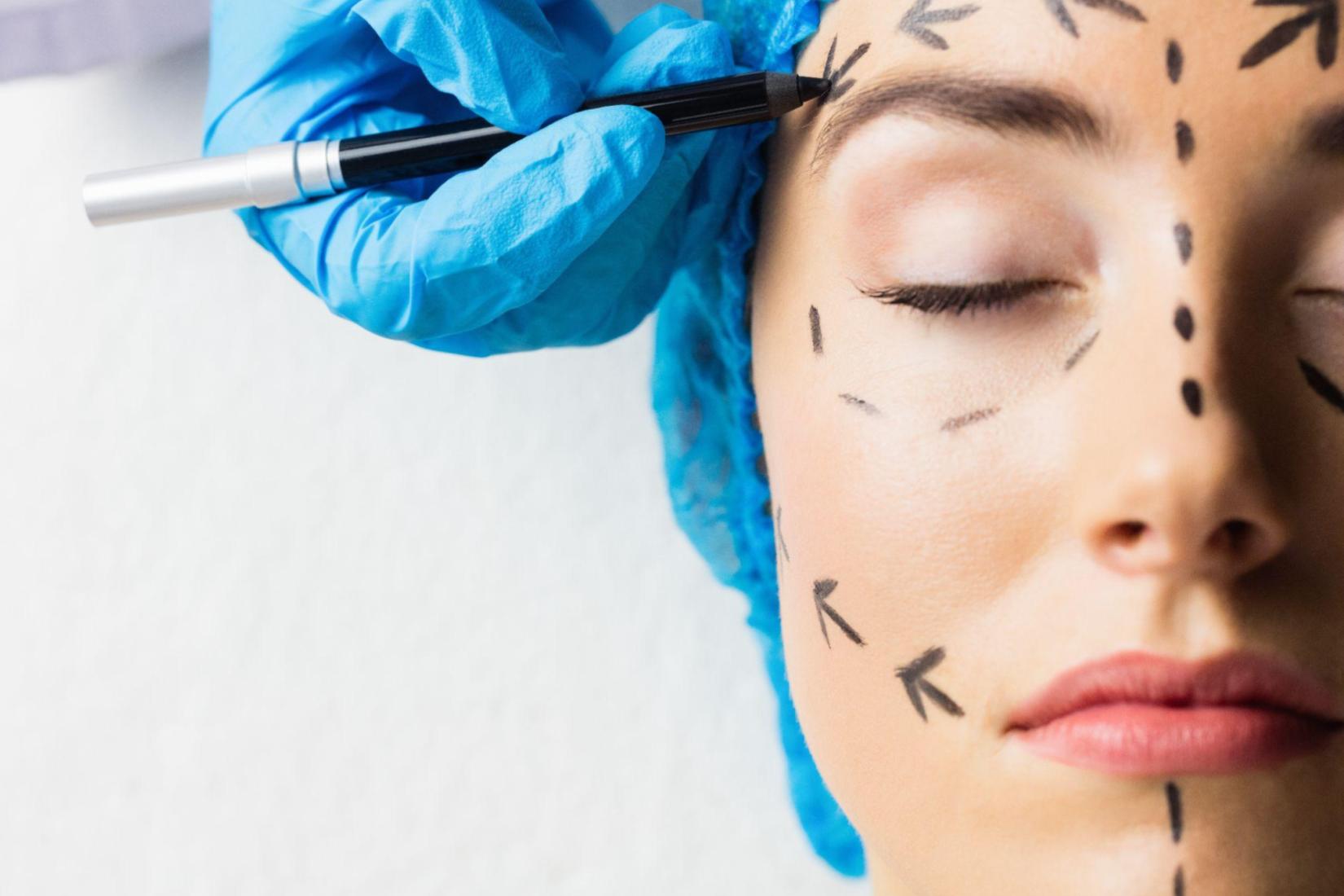
The deep plane facelift is designed to lift the deeper facial layers as a unit, rather than relying on skin tension alone. After carefully placed incisions around the ear and hairline, the surgeon releases select deep ligaments and elevates the midface and lower face in a controlled, anatomical direction. The skin is then redraped with minimal tension, and excess is conservatively removed to avoid a “pulled” appearance. The incisions are closed, and dressings or a light compression wrap may be applied. In some patients, small drains are placed briefly to reduce fluid accumulation early in recovery.
The objective is to restore youthful facial contours while preserving natural expression and individual facial character.
Anesthesia And Comfort
Most deep plane facelifts are performed under general anesthesia, although selected patients may be candidates for local anesthesia with IV sedation, depending on the scope of surgery and their medical profile. Your surgeon will recommend the safest option for your situation.
Postoperative discomfort is typically described as tightness, pressure, and soreness, rather than sharp pain. These symptoms are expected and are usually well controlled with prescribed medication for the first few days. Temporary numbness or altered sensation may occur and gradually resolve as nerves recover.
Recovery Timeline: What To Expect Week By Week
Recovery is progressive and occurs in phases. The following timeline reflects the course most patients experience.
The First One To Three Days
Swelling and bruising are most noticeable during this phase. Patients commonly report a feeling of tightness in the cheeks, jawline, and neck. Rest, head elevation, hydration, and light movement around the home are emphasized. If drains were placed, they are typically removed within one to two days. Follow-up assessment occurs early to ensure normal healing and manage comfort.
Days Four To Seven
Swelling begins to decrease, and bruising may start to fade. Patients often feel significantly improved compared to the first few days. Sutures or clips may be removed at a postoperative visit if needed. Walking is encouraged, but strenuous activity and anything that raises blood pressure remains restricted.
Week Two
By the second week, most patients are comfortable returning to work or routine daily activities. Residual swelling may persist, but it is generally mild and can often be concealed with makeup or hairstyle adjustments. For patients with professional or social obligations, two weeks is a reasonable estimate for being “socially presentable.”
Weeks Three To Six
During this period, patients see significant refining of facial contours. Discoloration is usually resolved. Light exercise may be resumed once cleared. Numbness, firmness, or minor irregularities continue to improve steadily as tissues soften and settle.
Months Two To Six
Healing enters a refinement stage. Facial tissues continue to relax into their final positions, and incision lines mature and fade. Most patients feel fully recovered by three months, although subtle improvements can continue for up to six months or longer.
How Long Before You Look Normal?
Most patients look public-ready in roughly two weeks, with more complete normalization in four to six weeks. This distinction matters. You may feel comfortable being seen relatively early, but internal healing and final contour refinement continue for several months. When combined with additional procedures, recovery may be modestly longer depending on the areas treated.
Tips For A Smoother Recovery
Patient adherence to postoperative guidelines has a direct impact on healing quality. Standard recommendations include:
- Follow all incision care and medication instructions precisely.
- Avoid nicotine entirely, as it impairs blood flow and delays healing.
- Maintain head elevation during early recovery.
- Limit sodium intake and prioritize hydration to reduce swelling.
- Avoid direct sun exposure and use broad-spectrum sunscreen once cleared.
- Resume activity gradually and only as approved by your surgeon.
- Attend all scheduled follow-ups so healing can be monitored closely.
These measures support safe recovery and optimize the final result.
When Should You Plan Your Deep Plane Facelift?
Patients should plan to minimize demanding physical or social commitments for at least two weeks after surgery. Many Denver patients schedule recovery during cooler months to reduce sun exposure and improve comfort during the early healing period. If surgery is timed around a major event, a two- to three-month buffer is recommended to allow meaningful refinement before photographs or travel.
For patients considering this approach, consultation with a surgeon experienced in deep plane methodology is essential. Dr. Manish Shah at Shah Aesthetic Surgery in South Denver specializes in advanced facial rejuvenation, including deep plane facelifts and neck lifts, with an emphasis on natural contour, preserved expression, and long-term stability. A personalized surgical plan will clarify your expected procedure length, recovery milestones, and the best timing for your lifestyle.